






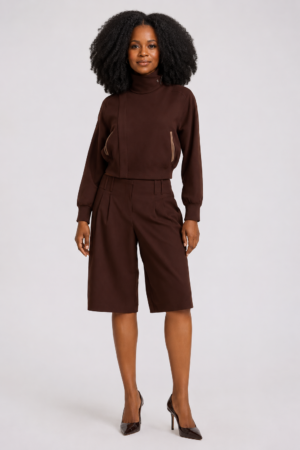
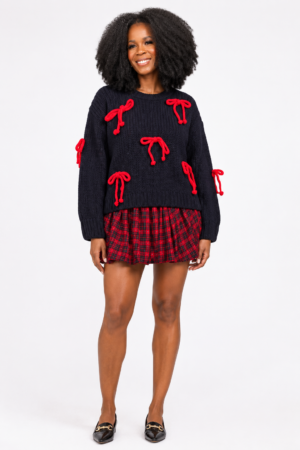



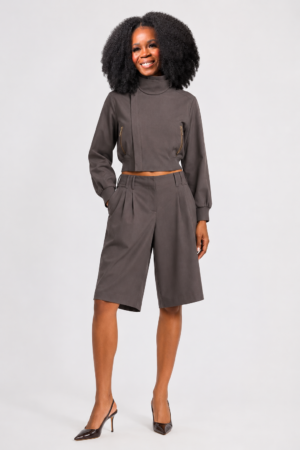
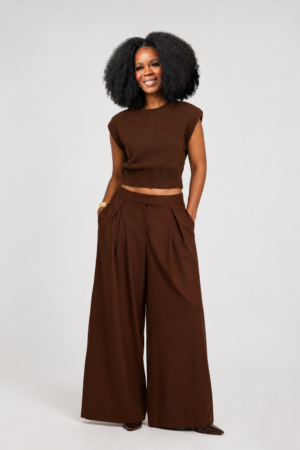
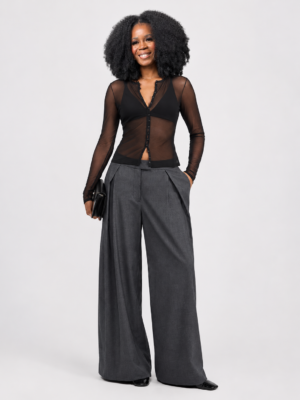
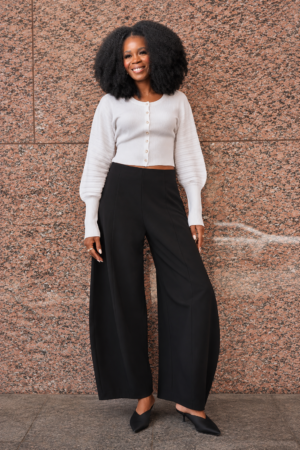



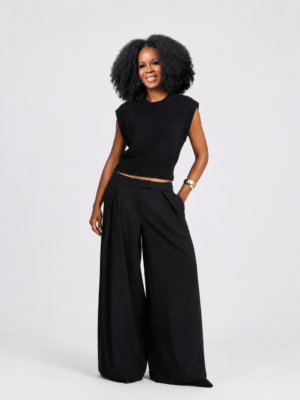



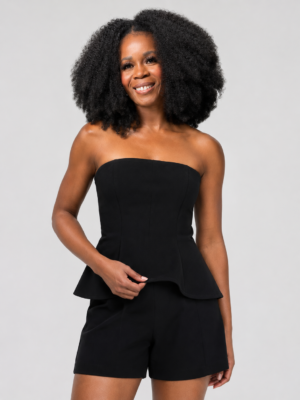
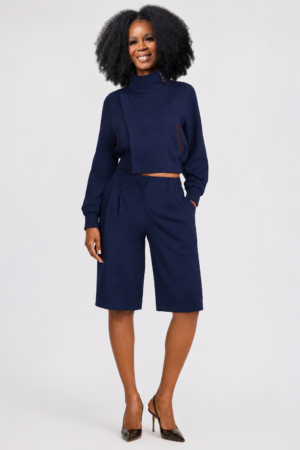




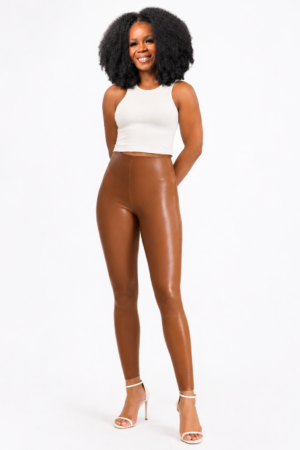
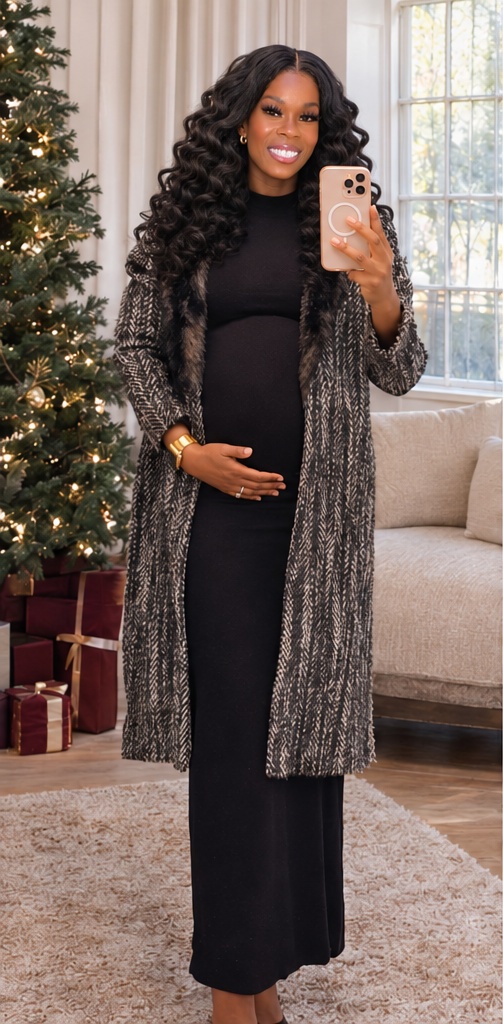
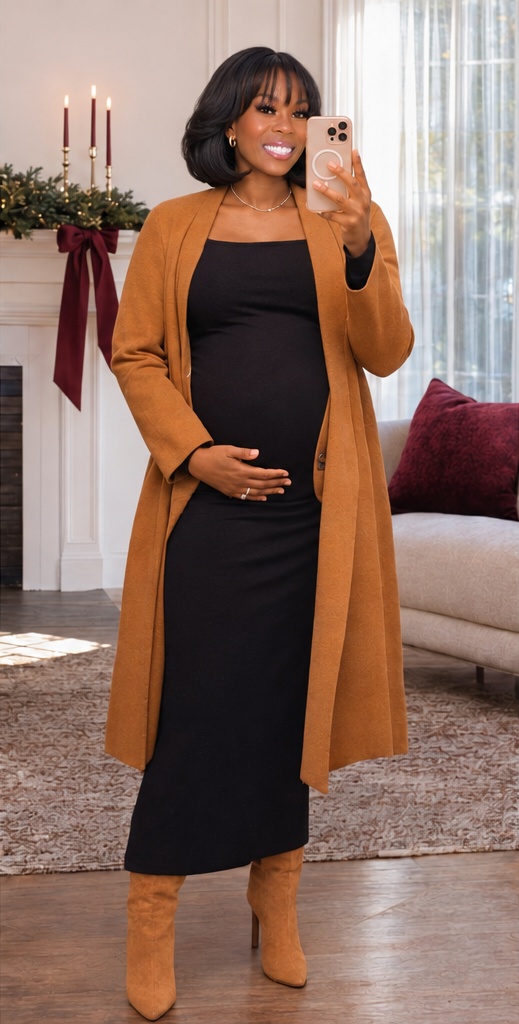
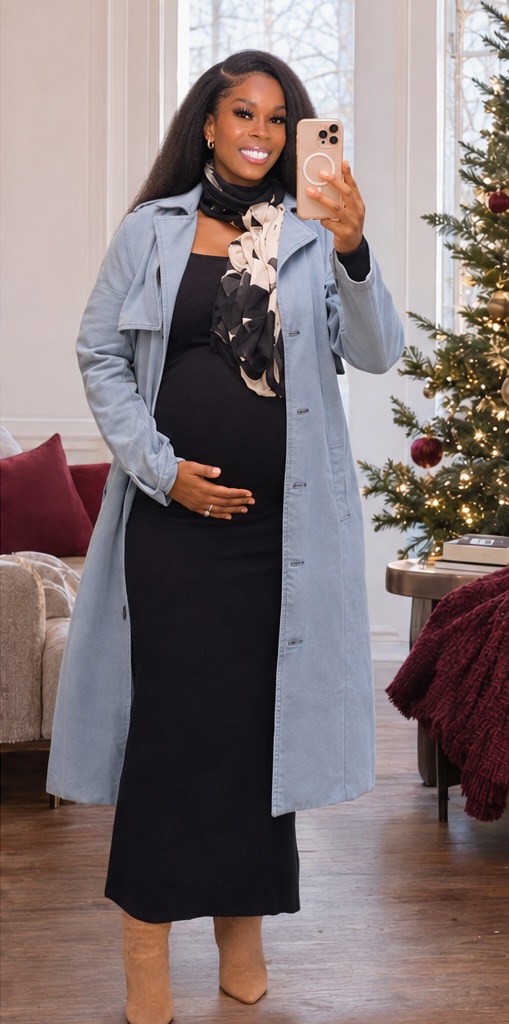
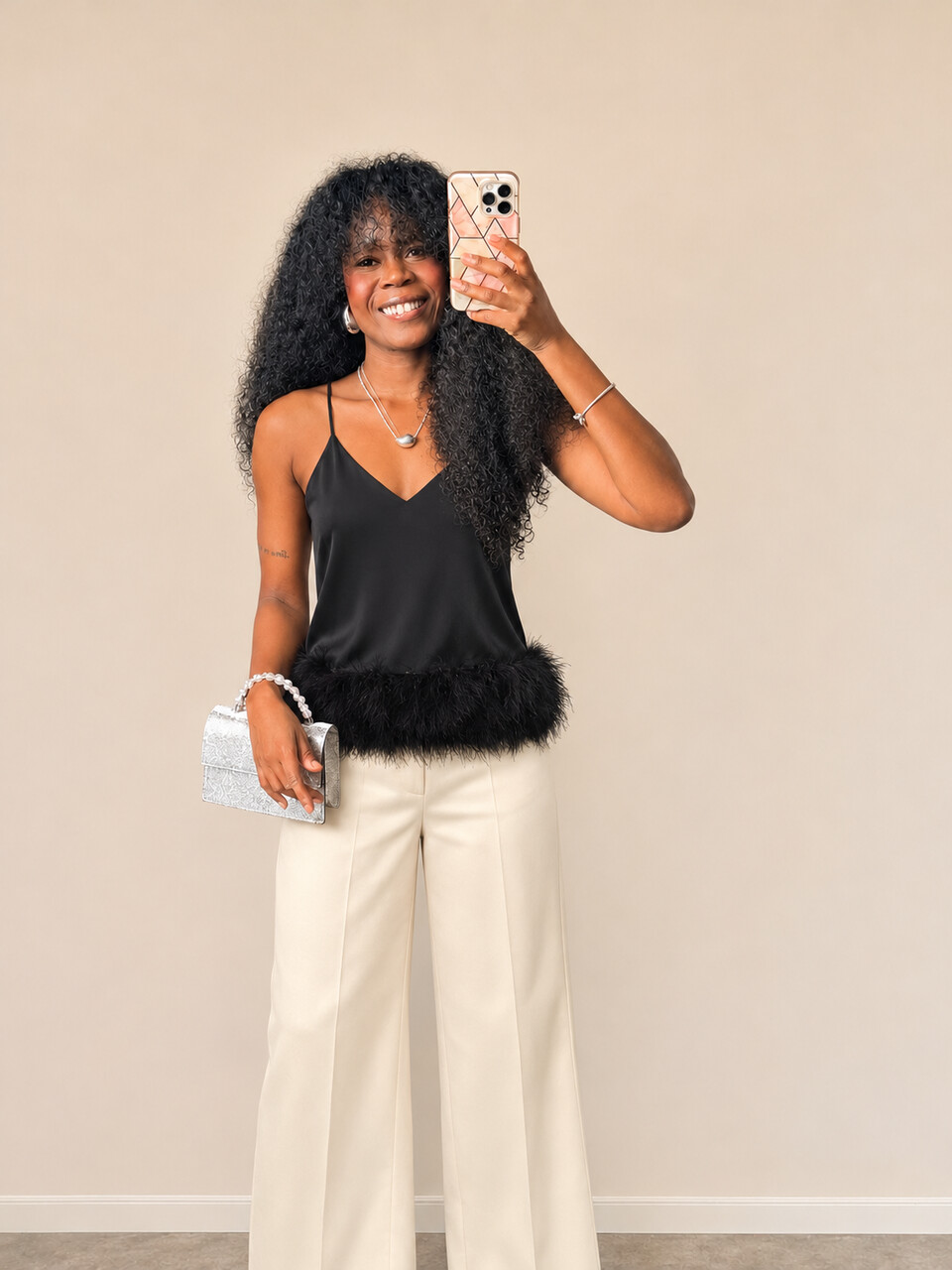
You pull out an outfit you used to love, put it on and spend the next ten minutes adjusting it. Suddenly getting dressed feels like a conversation about everything you think should be different about your body.
Body changes can bring real grief, frustration or uncertainty. You do not have to pretend you love every change. You also do not have to postpone comfort, photographs, invitations or beautiful clothes until you reach a particular size.
Separate getting dressed from fixing your body
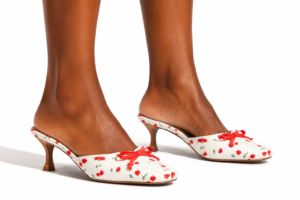
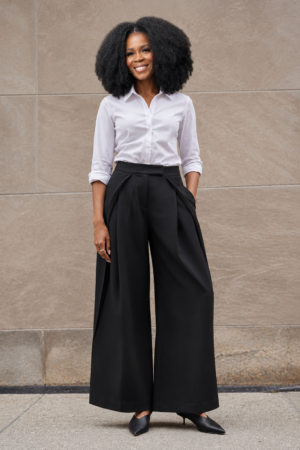
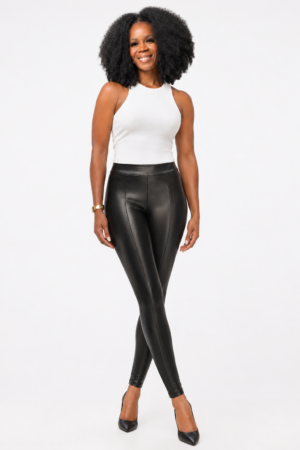
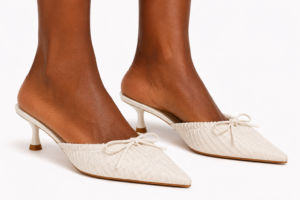
Ask a simpler question in front of the mirror: “Does this outfit fit my body comfortably today?” That question helps you assess the garment rather than put yourself on trial.
If something pinches, pulls or requires constant adjusting, put it aside. If you want to keep it, store it somewhere other than the section you use every morning. You deserve a daily wardrobe that helps you leave the house.
There is no need to replace everything. Start with two outfits from what you own that fit comfortably now. If your budget allows, tailoring or one missing basic may make several pieces easier to wear. Check fit while sitting and moving, not only while standing still.
Choose a health goal you can describe without a size
Wanting to care for your health is valid. So is wanting support with weight management. But a number on a scale cannot tell the whole story of your energy, strength or daily well-being.
Try naming what you want more of: enough energy for an outing, a dependable meal routine, movement you enjoy or time to follow up on a health concern. A clinician can help you decide whether a weight-related goal or treatment is appropriate for your circumstances.
The National Institute of Diabetes and Digestive and Kidney Diseases describes habit change as a process that includes planning, action, maintenance and setbacks. Its guidance encourages anticipating obstacles and adjusting your approach rather than treating a difficult day as the end of your progress.
Build one habit that fits a normal week
Choose something small enough to practice during a busy week. Perhaps you will keep ingredients for a dependable lunch, take a short comfortable walk when appropriate for your health, or set a reminder to begin winding down at night.
Then identify the likely obstacle. If lunch disappears because meetings run late, the useful change may be putting food within reach and protecting a break. If movement hurts, forcing yourself through pain is not the solution; ask a qualified professional about suitable options.
After a week, ask what made the habit easier and what made it harder. Adjust the plan. You have not failed because the first version did not fit your life.
Notice what your feed is asking you to believe
A feed full of transformation photos can make your ordinary body feel like an unfinished project. Notice which accounts leave you informed and which leave you ashamed.
Mute content that repeatedly pushes you toward comparison, extreme restriction or buying something out of panic. Follow people with varied bodies, ages and interests. You are allowed to enjoy fashion without making every outfit about looking smaller.
Know when you need more than encouragement
New, unexplained body changes or persistent fatigue deserve medical attention rather than a guess about hormones or willpower. Pregnancy, postpartum recovery, medications and existing conditions can also change what care is appropriate. Ask your own clinician for guidance.
If thoughts about food or appearance are taking over your day, or eating and exercise feel frightening or compulsive, a qualified mental-health professional can help. You do not need to wait until things feel “serious enough.”
You can practice kindness before confidence arrives
Psalm 139 offers language for being known and valued by God. It is not a demand to feel beautiful every morning. Some days, kindness may simply mean feeding yourself, putting on comfortable clothes and speaking without cruelty.
Today’s small step: Put together one outfit for your body today and choose one health-supporting action that does not require punishing it.
For more everyday style and thoughtful self-care, join The Elen Edit through the newsletter invitation on Elen Inspire.
General wellness information only; this is not a diagnosis or a personalized treatment plan.
Source
NIDDK: Changing Your Habits for Better Health.













 Your Partner MatchWhat kind of partner fits your everyday life?
 Your Attraction TestWho catches your eye? Explore your first impressions.
