

























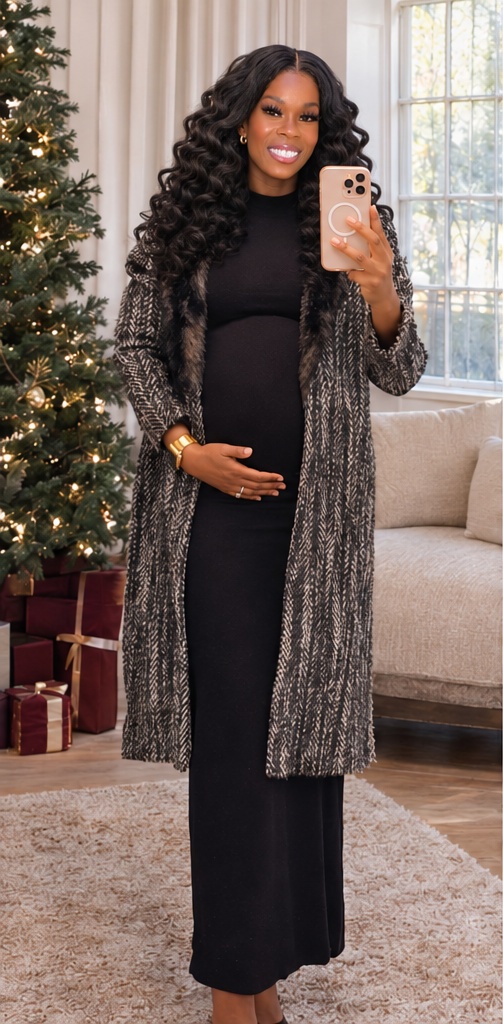



A low-buy holiday means buying fewer nonessential things and setting spending limits, while keeping the gifts and traditions you love.
What does “low-buy” mean?
Low-buy means buying less on purpose. You choose what you will spend on, set limits, and pause the extra purchases that do not fit your plan. You can still buy essentials and enjoy thoughtful presents, pretty wrapping and a Christmas meal.
For example, you might choose one gift per person, reuse your decorations, and wear an outfit you already own—then leave room in your budget for a favorite book or tea. Your rules should fit your household, not someone else’s spending challenge.
You do not need an extreme no-spend challenge to shop more intentionally. Choose a few rules that fit your household, including the celebrations you actually want to keep. The point is to enter January with fewer purchases you regret.
1. Decide what this season is for
Write down your three priorities. They might be visiting family, buying a thoughtful gift for your husband, and hosting a small Christmas dinner. A purchase that supports one of those priorities has a clearer purpose than something bought because it makes a good unboxing video.
Keep essentials separate from optional spending. Food, medication, necessary repairs and a child’s real needs do not need to compete with a decorative challenge.
2. Give every gift a person and a purpose
Make a short list with four columns: person, idea, spending limit and purchased. Ask what would be useful or enjoyable before guessing. Include wrapping and delivery in the amount you set aside.
If someone does not want more belongings, ask whether a meal together, practical help or a contribution toward something they chose would be welcome. “Clutter-free” is a preference, not a rule you impose on a recipient.
3. Shop your cupboards before the sales
Check the wrapping supplies, candles, serving dishes and outfits you already own. Put everything usable in one place. You may discover that the thing you were about to order has been waiting in a drawer since last December.
For a beauty low-buy, use products as directed and check their condition and expiry guidance. Do not keep using an unsuitable product just to complete a challenge.
4. Make a waiting list, not an instant basket
For nonessential purchases, try an overnight pause. Write down the item, the full cost and where you will use it. If it still fits your plan the next day, you can reconsider it without the countdown timer.
This is an optional shopping boundary, not a proven waiting period that works for everyone. Time-sensitive necessities can be handled differently.
5. Agree on gift expectations early
Try: “We’re keeping gifts simple this year. Would you be comfortable with one gift each, or drawing names?” A clear conversation is kinder than silently expecting everyone to follow your new plan.
For a couple, agree on a shared limit before shopping. Give each person room to choose within it, rather than asking one partner to manage every detail.
6. Keep room for one lovely extra
A seasonal coffee, a special ribbon or a small bunch of flowers may be worth keeping if you enjoy it and it fits your spending plan. Low-buy does not have to mean making every ordinary pleasure feel like a failure.
7. Review without punishing yourself
Once a week, check what you bought, what is still needed and what can come off the list. Return items within the retailer’s rules if you genuinely no longer need them. Do not treat an unplanned purchase as permission to abandon the whole season.
Meaningful celebrations do not all look the same. Your holiday can feel generous because it includes care, attention and welcome—not because every corner of the house contains something new.
Sources & editorial notes
Practical household planning, not personalized financial advice. Spending choices and circumstances vary.
Prepared November 10, 2026. Written for Elen Inspire. No sponsored placement or affiliate tracking has been added.
















 Your Partner MatchWhat kind of partner fits your everyday life?
 Your Attraction TestWho catches your eye? Explore your first impressions.
